
Creating a cozy and inviting home workspace can transform the way you feel about working from home. A thoughtfully designed area not only enhances comfort but also helps improve focus and productivity. Whether you have a dedicated room or a small corner of your living space, these tips will help you build a workspace that feels welcoming and efficient.
Choose the Right Location
Selecting the right spot for your workspace is the first step. Ideally, find a place that receives plenty of natural light. Windows are great since daylight boosts mood and energy levels. If natural light is limited, plan for adequate task lighting or ambient light to reduce eye strain.
Also, consider a relatively quiet area, away from household traffic and distractions. This separation helps mentally switch to work mode and maintain focus.
Invest in Comfortable Furniture
Comfort is key when you’re spending hours at your desk. A supportive chair with ergonomic features can prevent back pain and encourage good posture. Adjustable chairs are ideal because they let you customize height and support according to your needs.
Choose a desk or table that suits your work style. It should be spacious enough to hold your computer, documents, and other essentials without feeling cluttered. Standing desks or adjustable desks offer flexibility if you want to alternate between sitting and standing throughout the day.
Personalize Your Space
Adding personal touches makes your workspace more inviting. Display photos, artwork, or inspirational quotes that encourage creativity and positivity. Plants are another excellent addition—they improve air quality and add a touch of nature, which can reduce stress.
Use colors that calm you or energize your creativity. Soft pastels promote relaxation, while brighter hues can inspire focus and enthusiasm.
Organize and Declutter
A tidy workspace helps maintain productivity and reduces stress. Use shelves, drawers, and organizers to keep supplies in order and within reach. Label storage boxes or folders to quickly find what you need.
Regularly declutter your workspace by removing items you no longer use. Keeping only essentials in your immediate work area helps create a clean and focused environment.
Optimize Lighting
Good lighting is essential for comfort and eye health. Combine natural light with adjustable artificial lighting. A desk lamp with variable brightness can help you avoid glare and shadows, especially in the evening.
Position your computer screen so it doesn’t face direct sunlight to prevent screen glare, which can be tiring.
Incorporate Soothing Elements
Small touches can make your workspace feel like a retreat. Consider adding a soft rug underfoot or a cozy throw blanket nearby. These elements add warmth and comfort to the space.
A white noise machine or soft background music can mask distracting sounds and enhance concentration.
Manage Cables and Technology
Unorganized cables can quickly make your workspace feel chaotic. Use cable organizers or clips to keep cords neat and out of the way. This not only improves aesthetics but also enhances safety by preventing tripping hazards.
Ensure your technology—computer, printer, and internet connection—is reliable and up to date. This reduces frustrations and interruptions during work.
Schedule Breaks and Movement
No matter how cozy your setup, sitting in one position for long hours isn’t healthy. Plan regular breaks to stretch and move around. A brief walk or some light stretching refreshes your body and mind, improving overall productivity.
If space allows, consider adding a small area with a comfortable chair for reading or brainstorming.
Maintain Air Quality and Temperature
Fresh air helps you stay alert and comfortable. If possible, open windows regularly to circulate fresh air. Use an air purifier or plants known for improving indoor air quality if ventilation is limited.
Maintain a comfortable temperature, neither too hot nor too cold, to avoid distractions caused by discomfort.
Final Thoughts
Designing a cozy and inviting home workspace is about balancing functionality with comfort. By choosing the right location, investing in ergonomic furniture, personalizing your area, and staying organized, you create an environment that fosters productivity and well-being. Remember to incorporate elements that soothe and inspire you, and don’t forget the importance of breaks and air quality. With these tips, your home workspace can become a place you look forward to spending time in every day.
Related Posts
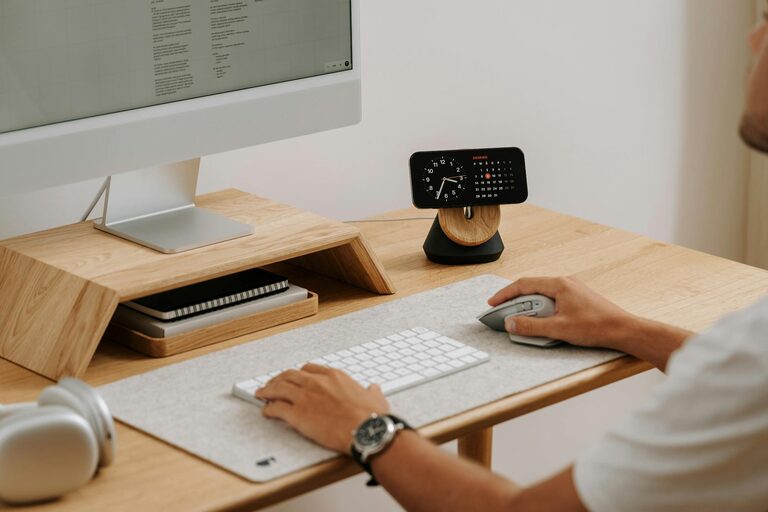
Tips for Creating a Cozy and Productive Home Office Space
Creating a home office that balances coziness with productivity can…
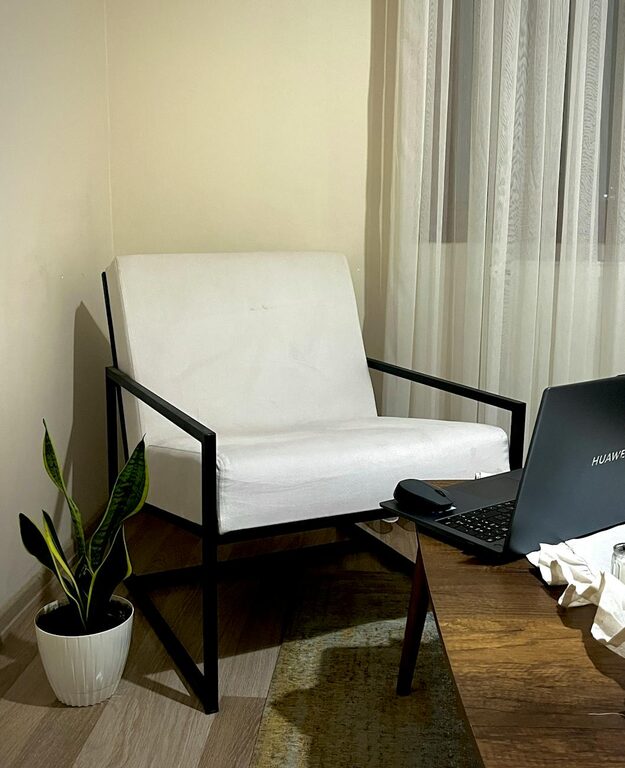
Tips for Creating a Cozy and Inviting Home Office Space
Creating a comfortable and inviting home office space is essential…
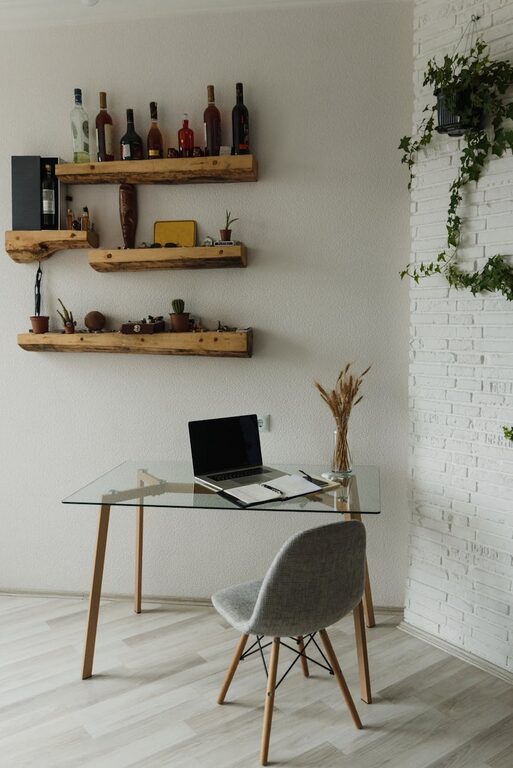
Tips for Creating a Cozy and Functional Home Office Space
Creating a comfortable and efficient home office is important whether…