
Creating a comfortable and efficient home office is essential for staying productive and motivated throughout your workday. Whether you’re working remotely full-time or need a dedicated space for occasional tasks, designing a home office that feels inviting yet functional can make a big difference. In this post, we’ll share tips for building a cozy and productive home office space that suits your needs.
Choose the Right Location
Selecting the right spot in your home is the first step toward creating an effective home office. Ideally, find a quiet area that minimizes distractions and has enough room for your desk and essential equipment.
– Natural Light: Aim to place your desk near a window to benefit from natural sunlight. Natural light enhances mood and energy levels.
– Away from Noise: Choose a spot away from high-traffic areas like the kitchen or living room to reduce interruptions.
– Adequate Space: Make sure there’s enough space for your desk, chair, storage, and any additional equipment like printers.
Invest in Ergonomic Furniture
Comfort is key when spending hours at your desk. Investing in ergonomic furniture protects your posture and helps avoid discomfort or strain.
– Adjustable Chair: Choose a chair with adjustable height, lumbar support, and comfortable cushioning.
– Proper Desk Height: Ensure your desk height allows your arms to rest at a 90-degree angle while typing.
– Footrest: If your feet don’t comfortably touch the floor, consider a footrest to support proper posture.
Organize with Functional Storage
A cluttered workspace can distract you and reduce productivity. Keep your home office tidy with smart storage solutions.
– Shelves and Cabinets: Use shelves or cabinets to store books, files, and office supplies.
– Desk Organizers: Utilize pen holders, trays, or drawer organizers to keep small items in place.
– Cable Management: Use clips or cable sleeves to manage cords and avoid tangles.
Personalize Your Space for Comfort
Adding personal elements can make your workspace feel welcoming and encourage focus.
– Colors and Decor: Choose calming colors such as soft blues or greens, or use colors that motivate you.
– Plants: Adding indoor plants improves air quality and provides a touch of nature, which can reduce stress.
– Artwork and Photos: Include inspirational artwork or family photos to create a positive environment.
Optimize Lighting for Productivity
Good lighting reduces eye strain and keeps you alert during the workday.
– Layered Lighting: Combine natural light with ambient lighting and task lighting.
– Desk Lamp: Use an adjustable desk lamp that provides focused light on your work area.
– Avoid Screen Glare: Position screens perpendicular to windows to minimize glare.
Minimize Distractions
To work efficiently, help your mind stay focused by limiting distractions.
– Noise Control: Consider noise-canceling headphones or white noise machines if your environment is noisy.
– Dedicated Work Hours: Set clear boundaries with family members or housemates about your work schedule.
– Turn Off Notifications: Silence non-essential notifications on your phone and computer.
Maintain Good Air Quality and Temperature
A comfortable climate makes long working hours much easier to manage.
– Ventilation: Open a window or use a fan to keep fresh air circulating.
– Temperature Control: Use a heater or air conditioner to maintain an ideal temperature, usually between 68–72°F (20–22°C).
– Air Purifiers: For improved air quality, especially in urban areas, consider an air purifier.
Incorporate Technology Wisely
Using technology can streamline your workflow and enhance productivity.
– Reliable Internet: Ensure your Wi-Fi connection is strong and stable.
– Ergonomic Accessories: Use wireless keyboards, mice, and adjustable monitors to reduce strain.
– Backup Solutions: Regularly back up important files using cloud storage or external drives.
Keep the Space Flexible
Sometimes, changing your environment can boost creativity and prevent burnout.
– Dual-purpose Furniture: Use foldable desks or movable chairs for easy rearrangement.
– Alternate Work Zones: If space allows, have a separate area for brainstorming or taking breaks.
– Standing Options: Consider a sit-stand desk or a high table for a change of posture during the day.
Maintain Work-Life Balance
Finally, separate work life from home life by keeping your office space distinct.
– Defined Workspace: Avoid working from your bed or couch; a distinct desk area helps signal work mode.
– End-of-Day Routine: Close your laptop and tidy your desk at the end of each day to mark a clean break.
– Take Breaks: Integrate short breaks to stretch and recharge, which maintains long-term productivity.
—
Designing a home office that is both cozy and productive doesn’t have to be complicated. By focusing on comfort, organization, and a few personal touches, you can create a space that supports your mental focus and well-being. Start with these tips to transform your work-from-home experience into a more enjoyable and efficient routine.
Related Posts
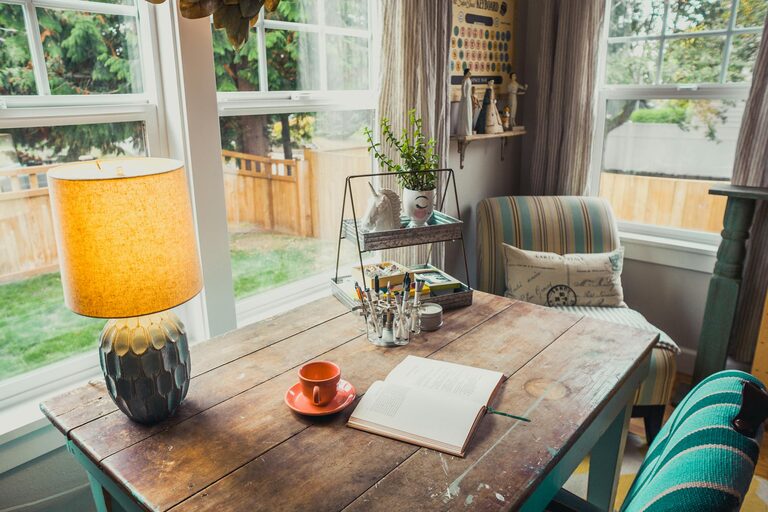
Tips for Creating a Cozy and Inviting Home Office Space
Creating a cozy and inviting home office space is essential…
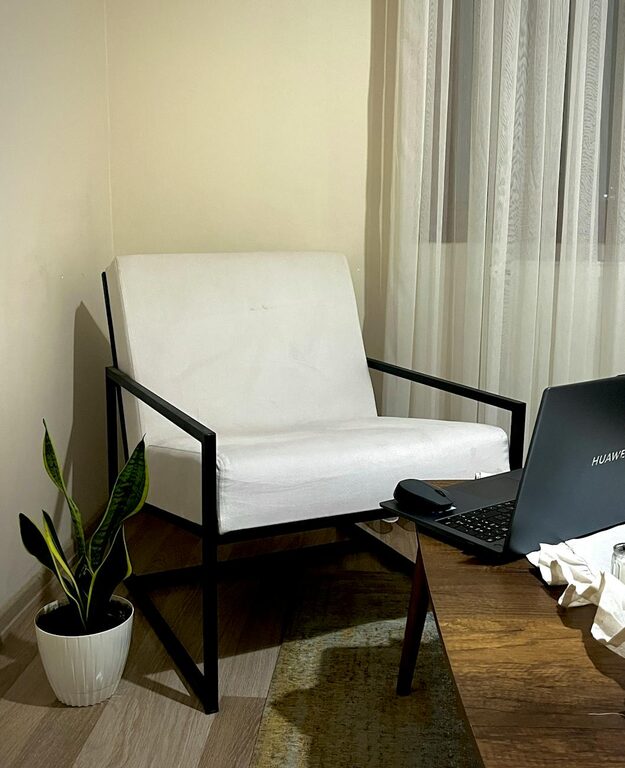
Tips for Creating a Cozy and Inviting Home Office Space
Creating a comfortable and inviting home office space is essential…
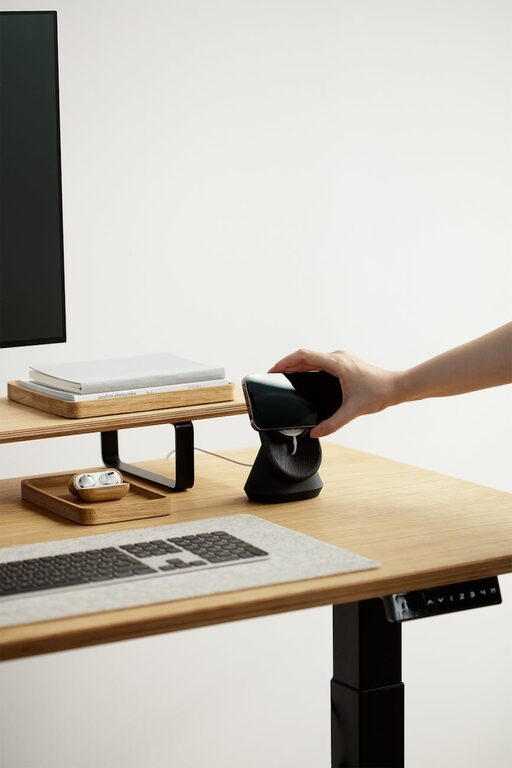
Tips for Creating a Cozy and Inviting Home Workspace
Creating a cozy and inviting home workspace is essential for…